
The Xiaomi Mi 3H Air Purifier is a high-efficiency device designed to improve air quality in your home or office. It features a True HEPA filter with nanoscale precision filtration that efficiently removes fine particles, achieving a PM CADR of 11301 ft³/h and delivering 5330 liters of purified air per minute. The purifier is equipped with precision sensors that monitor air quality and adjust the speed in real time, either according to user settings or automatically.
The Mi 3H offers three stages of filtration, effectively targeting PM2.5, smoke, pollen, cooking odors, and wildfire dust, and removing 99.97% of common pollutants as small as 0.3 microns. The advanced triple-layer filter consists of a primary filter, high-efficiency filter, and an activated carbon layer.
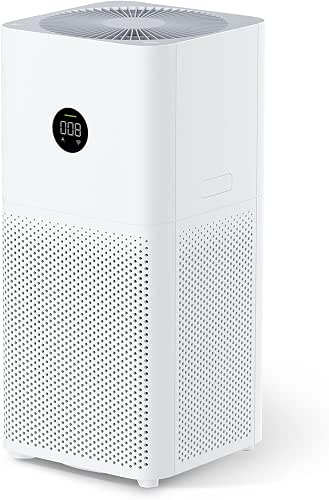
A digital LED display provides real-time PM2.5 values and is color-coded for easy viewing. The air purifier also features a tri-color light ring for quick reference to indoor air quality. With Wi-Fi connectivity and AI voice control, the Mi 3H integrates seamlessly into your smart home ecosystem.
Energy efficiency is a key aspect of the Mi 3H, with ultra-low energy consumption of 0.7kWh per 24 hours and a maximum power usage of 29W. The purifier operates quietly, with an automatic mode that silently purifies the air until impurities are detected. The small footprint and whisper-quiet operation, especially in Sleep Mode with noise levels reduced to 31 dB, make it suitable for bedrooms and nurseries. Additionally, filter changes are made easy with a simple three-step process.
Pros
1. High Efficiency True HEPA Filtration
One of the strongest advantages of the Mi 3H is its high-efficiency True HEPA filtration system. Designed to capture up to 99.97% of airborne particles as small as 0.3 microns, it effectively targets dust, pet dander, smoke particles, and fine pollutants such as PM2.5. With a high Clean Air Delivery Rate (CADR), the unit can noticeably improve air quality within a short period of time, especially in medium-sized rooms. Users living in urban environments or areas with seasonal smog often report a visible improvement in air clarity within minutes of turning the purifier on. This efficiency makes it particularly suitable for apartments, bedrooms, and home offices where air circulation may be limited.
2. Three-Stage Filtration for Comprehensive Coverage
The triple-layer filtration system adds an extra layer of reassurance. It combines a primary filter for larger particles, a True HEPA layer for microscopic contaminants, and an activated carbon filter for odors and harmful gases. This layered approach ensures that the purifier doesn’t just remove visible dust but also tackles invisible pollutants such as cooking fumes, cigarette smoke, formaldehyde traces, and pet odors. For households with pets, frequent cooking, or allergy-sensitive individuals, this multi-stage protection creates a more balanced and breathable indoor environment rather than simply circulating filtered air.
3. Real-Time Air Quality Monitoring with Digital LED Display
The large digital LED display significantly enhances user interaction. It shows real-time PM2.5 levels, allowing users to understand indoor air quality at a glance. The color-coded light ring—typically green, orange, or red—provides an intuitive visual indicator of pollution levels without needing to interpret numerical data. This feature becomes especially useful during seasonal pollution spikes or when cooking indoors. Instead of guessing whether the air feels “stuffy,” users can monitor measurable changes and adjust settings accordingly.
4. Smart Connectivity and Voice Control Integration
Smart home integration is another strong advantage of the Mi 3H. Through Wi-Fi connectivity, users can control the purifier via a mobile app, schedule operation times, monitor filter life, and adjust fan speeds remotely. Compatibility with voice assistants such as Amazon Echo further enhances convenience. This allows users to control air purification without physically interacting with the device—particularly useful at night or when the purifier is placed in hard-to-reach corners. For tech-oriented households, this seamless integration aligns well with modern smart living ecosystems.
5. Energy-Efficient Operation with Brushless DC Motor
Despite its strong airflow performance, the Mi 3H remains energy-efficient. The brushless DC motor consumes significantly less electricity compared to traditional motors, helping reduce long-term operating costs. For users who prefer to keep the purifier running continuously, especially in cities with ongoing air quality concerns, this low energy consumption becomes an important practical advantage. It allows 24-hour usage without a noticeable spike in electricity bills, making it both environmentally and financially sustainable.
6. Quiet Performance, Ideal for Bedrooms
Noise level is often a deciding factor when choosing an air purifier, and the Mi 3H performs well in this area. In Sleep Mode, it operates at around 31 dB, which is comparable to a whisper or quiet library environment. This makes it suitable for bedrooms, nurseries, and study areas where minimal noise disturbance is essential. Even at moderate fan speeds, the sound profile tends to remain smooth rather than mechanically harsh, allowing users to maintain air purification overnight without disrupting sleep quality.
7. Hassle-Free Filter Replacement
Maintenance is simplified with a straightforward three-step filter replacement process. The rear panel opens easily, and the cylindrical filter can be removed and replaced without specialized tools. The app also provides filter life reminders, reducing the risk of forgetting maintenance cycles. This convenience lowers the barrier to long-term ownership, as users are less likely to postpone filter changes due to complicated procedures.
8. Compact and Minimalist Design
The compact and minimalist design allows the Mi 3H to blend into various home interiors without appearing bulky or intrusive. Its slim vertical structure occupies minimal floor space, making it suitable for small apartments or rooms with limited layout flexibility. Unlike larger purifiers that dominate a corner, the Mi 3H maintains a subtle presence while still delivering effective airflow. This balance between design and performance makes it appealing for users who prioritize both aesthetics and practicality.
Cons
1. Replacement Filter Availability May Vary by Region
One potential drawback is the availability of replacement filters, which can vary depending on geographic location. While filters are generally accessible in major markets, users in smaller cities or regions with limited Xiaomi distribution channels may experience delays or higher prices when sourcing genuine replacements. Since air purifiers require regular filter changes to maintain optimal performance, inconsistent availability can become inconvenient over time. Some buyers may need to rely on third-party sellers, which raises concerns about authenticity and filtration quality. For long-term ownership, checking local supply channels before purchasing the unit is advisable to avoid future maintenance challenges.
2. Limited Air Quality Metrics Beyond PM2.5
Although the LED display provides real-time PM2.5 readings, the device does not offer a broader range of air quality indicators. It primarily focuses on particulate matter and does not directly display metrics such as VOC levels, carbon dioxide concentration, or humidity data. For most everyday users, PM2.5 measurement is sufficient to monitor common pollution levels. However, individuals seeking more detailed environmental diagnostics may find the data somewhat limited compared to premium models that provide multi-sensor monitoring. As a result, while the display is practical and user-friendly, it does not deliver a fully comprehensive air quality analysis.
Frequently Asked Questions (FAQs)
1. What room size is the Xiaomi Mi 3H suitable for?
The Xiaomi Mi 3H is generally recommended for small to medium-sized rooms. With its strong CADR performance, it can effectively circulate and purify air in bedrooms, home offices, and living spaces within typical apartment layouts. For very large open-plan areas, however, it may require higher fan speeds or multiple units to maintain optimal air turnover.
2. How often does the filter need to be replaced?
Filter lifespan depends on air quality and usage frequency. In moderately polluted environments, replacement is typically recommended every 6 to 12 months. The built-in system and companion app track filter usage and notify users when replacement is needed, which helps prevent performance decline due to overdue maintenance.
3. Does the Mi 3H remove odors and smoke?
Yes. The triple-layer filtration system includes an activated carbon layer designed to reduce odors from cooking, pets, and cigarette smoke. While it significantly improves indoor air freshness, extremely strong or continuous smoke exposure may require extended operation time for noticeable improvement.
4. Is the Xiaomi Mi 3H safe to run overnight?
Yes. The purifier is designed for continuous operation, including overnight use. In Sleep Mode, noise levels are reduced to approximately 31 dB, making it suitable for bedrooms and nurseries. Energy consumption is also low, so running it overnight does not typically result in significant electricity costs.
5. Does it automatically adjust fan speed based on air quality?
Yes. In Auto Mode, the Mi 3H uses built-in sensors to detect PM2.5 levels and adjust fan speed accordingly. When air quality improves, the fan slows down to conserve energy and reduce noise. If pollution levels increase, the unit automatically increases airflow to respond in real time.
6. Can the LED display be turned off at night?
Yes. The brightness of the display can be reduced or turned off through the settings. This prevents light disturbance in dark rooms, making it more comfortable for nighttime use.
7. Does the Mi 3H monitor VOCs or carbon dioxide levels?
No. The device primarily measures particulate matter (PM2.5) and does not provide direct VOC or CO₂ readings. Users looking for multi-sensor environmental monitoring may need a more advanced air quality monitor or a higher-tier purifier model.
8. Is it compatible with smart home systems?
Yes. The Mi 3H supports Wi-Fi connectivity and can be controlled via a mobile app. It also integrates with voice assistants such as Amazon Echo, allowing users to adjust settings or turn the purifier on and off using voice commands.
9. How noisy is it at maximum fan speed?
At maximum speed, the purifier becomes noticeably louder compared to Sleep Mode. However, most users report that noise remains within an acceptable range for short-term use, such as during heavy pollution events or after cooking.
10. Is the Xiaomi Mi 3H a good option for allergy sufferers?
For individuals sensitive to pollen, dust, and fine particles, the True HEPA filter can significantly reduce airborne allergens. While it is not a medical device, it can contribute to a cleaner indoor environment that may help minimize allergy symptoms when used consistently.
Final Verdict
Overall, the Xiaomi Mi 3H Air Purifier strikes a strong balance between performance, smart functionality, and everyday practicality. Its True HEPA filtration system delivers reliable purification for common indoor pollutants, while real-time PM2.5 monitoring and smart connectivity add convenience that aligns well with modern living environments.
The unit is particularly appealing for small to medium-sized rooms where space efficiency and quiet operation matter. Sleep Mode performance, low energy consumption, and app-based controls make it suitable for continuous daily use without creating noticeable noise or power costs.
While it does not offer advanced multi-sensor air diagnostics beyond particulate monitoring, it covers the essential needs of most households effectively. For users seeking a compact, smart-enabled air purifier that prioritizes core filtration performance over complex environmental analytics, the Mi 3H represents a practical and well-rounded choice.