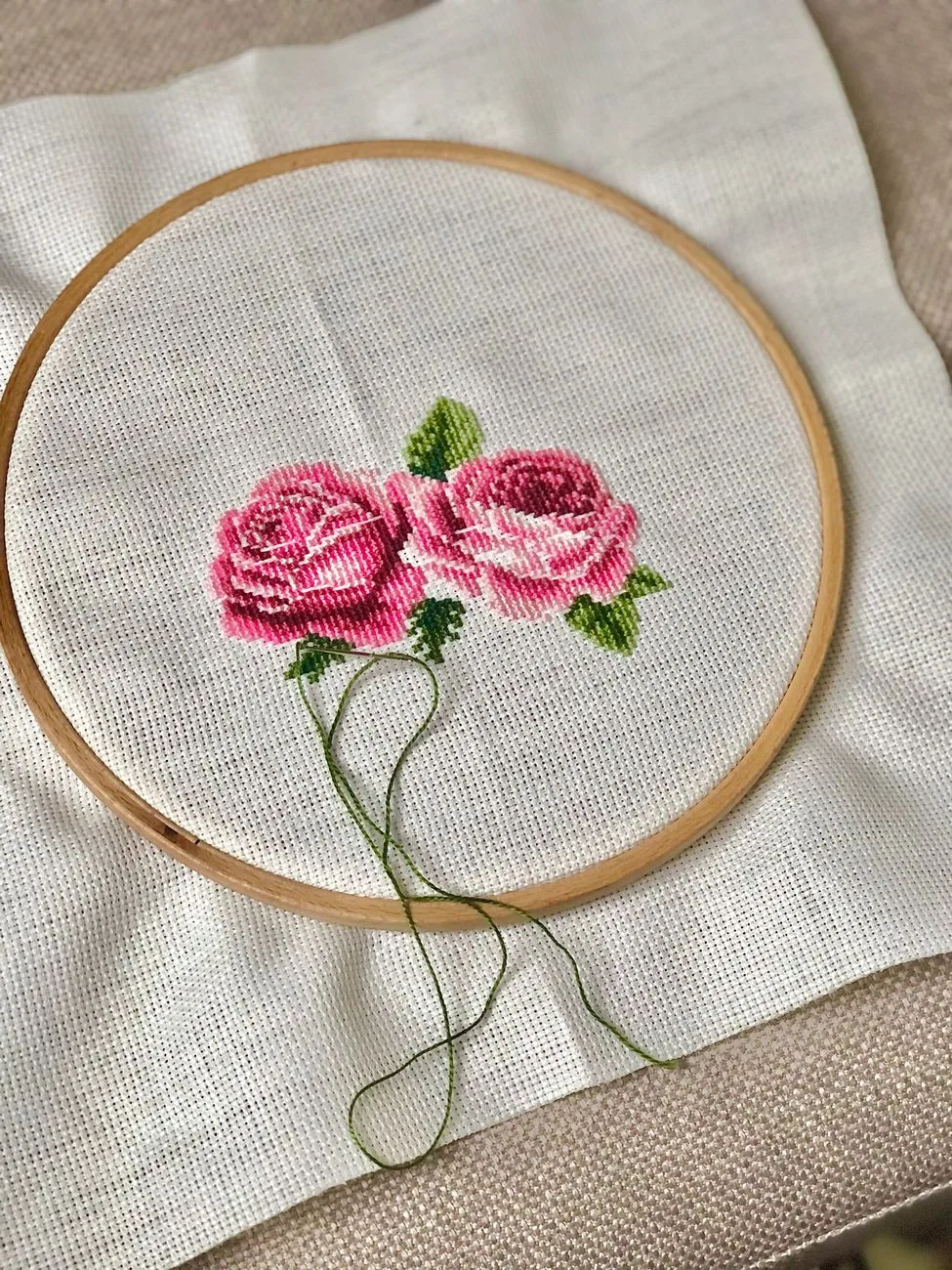
Embroidery stabilizer is one of those supplies that can make a project feel effortless or frustrating, often with very little in between. Buyers usually start looking for the Best Stabilizer for Embroidery after a few uneven stitches, puckered fabric, or a design that looks crisp on the screen but loses detail once it is sewn out. The challenge is that stabilizer is not one-size-fits-all. What works beautifully on a cotton tea towel may be a poor choice for a stretchy polo, a velvet gift bag, or a dense monogram on a knit tee.
The most common mistake is choosing by habit instead of by fabric. Tear-away stabilizers are great for many woven items, but they are not the right answer for every garment. Cut-away backing is more forgiving on knits and other unstable fabrics, while wash-away and sticky options solve problems that standard backings cannot. The right choice depends on how much support the fabric needs, whether the backing should stay behind the stitches, and how visible or removable you want the finished result to be. Some buyers want the easiest, least wasteful option. Others care more about a polished finish on delicate or tricky materials.
Among the products in this guide, the best overall pick is the New brothread Tear Away Machine Embroidery Stabilizer Backing 12" x 50 Yd roll because it offers a practical blend of versatility, usable width, and dependable medium weight support for a wide range of common embroidery jobs.
If you are short on time, the comparison table below gives a quick way to sort through the main options. Click any product name to jump to its review.
Best Stabilizer For Embroidery Comparison Table
| Product | Best For | Main Strength | Format |
|---|---|---|---|
| New brothread Tear Away Machine Embroidery Stabilizer Backing 12" x 50 Yd Roll | All-purpose tear-away support | Balanced width and medium-weight versatility | Roll |
| New brothread Tear Away Machine Embroidery Stabilizer Backing 8"x8" 100 Precut Sheets | Small hoops and easy setup | Precut convenience | Sheets |
| New brothread Tear Away Machine Embroidery Stabilizer Backing 10" x 50 Yd Roll | Mid-size hoop users | Flexible cutting for popular hoop sizes | Roll |
| New brothread Cut Away Machine Embroidery Stabilizer Backing 10" x 50 Yd Roll | Knits and stretchy fabrics | Permanent support | Roll |
| New brothread Sticky Water Soluble Embroidery Stabilizer Printable Paper Stabilizer | Delicate items and custom placement | Sticky, printable, water-soluble convenience | Sheets |
| HBI Cut Away Embroidery Stabilizer Roll 12" x 50 Yards | Frequent embroiderers | Large roll with steady permanent support | Roll |
| FURWEY Wash Away Embroidery Stabilizer | Handwork and small craft pieces | Wash-away cleanup with adhesive backing | Sheets |
| New brothread Sticky Self-Adhesive Tear Away Embroidery Stabilizer Backing 12" x 10 Yd Roll | Items that cannot be hooped | Sticky backing for awkward shapes | Roll |
| New brothread No Show Mesh Machine Embroidery Stabilizer Backing 12" x 50 Yd Roll | Light fabrics and visible garments | Low-profile permanent support | Roll |
If you want a closer look at how each option differs in daily use, the reviews below break down the tradeoffs in plain English.
1. Best Overall: New Brothread Tear Away Machine Embroidery Stabilizer Backing 12" X 50 Yd Roll

One reason this option stands out is simple practicality. A 12-inch-wide tear-away roll gives you room to cut for a broad range of hoops without constantly piecing together backing or wasting material on awkward scraps. For people who embroider regularly, that flexibility matters more than it first appears. It is especially useful if you work across different project sizes, from pocket logos to larger decorative pieces, because you can trim exactly what you need instead of forcing your work to fit a fixed sheet size.
The medium-weight build also makes this a comfortable middle ground. It is designed for light to medium stitch density, which covers a lot of everyday embroidery. On firmly woven fabrics and natural fibers, tear-away backing is usually the cleanest, least fussy choice, and this roll fits that role well. It is not the answer for every fabric, and very dense designs may need a second layer, but that is true of many medium-weight tear-aways. For buyers who want a dependable, all-purpose backing without overcomplicating the process, this is the kind of product that earns its place by staying out of the way and doing the job properly.
Pros
- Useful 12-inch width for cutting many common hoop sizes.
- Medium-weight support works well for a wide range of everyday designs.
- Clean tear-away behavior is convenient for finished garments and home projects.
- Good fit for natural fibers, thicker cottons, and stable woven fabrics.
- Roll format is efficient for frequent embroiderers who want less waste.
Cons
- Not the best option for stretchy knits or unstable fabrics.
- Dense motifs may require more than one layer for reliable support.
- Roll format is less convenient than precut sheets for quick one-off jobs.
This is the safest recommendation for buyers who want one stabilizer that can handle many routine projects without much learning curve. It is especially sensible for hobbyists who sew on woven fabrics, or for anyone building a small embroidery stash and wanting a general-purpose roll first. If your work leans heavily toward T-shirts, fleece, or other stretch materials, a cut-away or no-show mesh backing will serve you better. For most other embroidery tasks, though, this roll is a practical starting point and an easy one to keep on hand.
To buy this product, click here.
2. Best Budget: New Brothread Tear Away Machine Embroidery Stabilizer Backing 8"X8" 100 Precut Sheets

For buyers who value convenience above all else, these precut sheets solve one of the most tedious parts of embroidery prep. There is no cutting from a roll, no measuring, and little guesswork for smaller hoops. The 8-by-8 size is a strong match for compact embroidery setups, especially if you use 4×4 or 6×6 hoops and want to move quickly from hooping to stitching. That can be a real advantage for beginners, small-batch makers, or anyone who dislikes trimming stabilizer every time a project begins.
The tradeoff is obvious: fixed size. You gain speed and consistency, but you lose flexibility. If your projects often fall outside the 8-inch square, you will need another backing on the shelf. Still, the medium-weight tear-away construction keeps the product broadly useful for lighter to medium-density embroidery on stable fabrics. As a budget-oriented option, it is appealing because it lowers friction. It feels like the right pick for people who want to keep things simple and are not yet building a workshop around a wide mix of hoop sizes.
Pros
- Precut sheets save time and reduce setup work.
- Strong match for smaller hoops and compact embroidery projects.
- Medium weight handles many standard designs well.
- Good choice for beginners who want an easier workflow.
- Easy to store and grab for quick, repeatable jobs.
Cons
- Limited to a fixed square size, which reduces versatility.
- Not ideal for larger hoops or custom-cut projects.
- Still not a fit for stretchy or unstable fabrics that need permanent support.
This is the smartest budget-minded choice for embroiderers who primarily work in small hoops and want a no-fuss backup supply. It is also a good way to keep projects moving if you are teaching, crafting in a shared space, or simply tired of measuring stabilizer every time. Buyers who need a broad, one-size-fits-most roll should look elsewhere, but for smaller machines and frequent quick projects, these sheets make the process noticeably easier.
To buy this product, click here.
3. Best For Mid-Size Hoops: New Brothread Tear Away Machine Embroidery Stabilizer Backing 10" X 50 Yd Roll

This 10-inch roll hits a very useful middle ground. It gives you enough width for a wide range of common hooping needs without feeling oversized for smaller projects. Many embroiderers will appreciate how naturally it fits into everyday work on 4×4 and 5×7 hoops, and the ability to cut custom dimensions means it can be adapted to several different setups. If you already know your machine well but do not want to overbuy into a larger roll, this size feels especially sensible.
The product follows the same medium-weight tear-away formula as the brand’s other backing, which means the real advantage here is not a different material but a better dimensional match for a common embroidery workflow. That makes it appealing for home studios where projects are varied but not necessarily commercial in scale. It is best on stable fabrics and natural fibers, and it will behave like a typical tear-away, which is to say cleanly and predictably when used in the right place. Buyers who need more than one stabilizer type will still need to supplement with cut-away or specialty products, but as a general-purpose roll, this one is a very practical fit.
Pros
- 10-inch width is versatile for many popular hoop sizes.
- Good balance between compact handling and roll-based flexibility.
- Works well for common woven-fabric embroidery projects.
- Useful for users who want custom cutting without excess bulk.
- Medium weight offers steady support for everyday designs.
Cons
- Still not the right backing for stretch fabrics or long-wear items.
- Roll format requires measuring and cutting before use.
- May be less efficient than the 12-inch roll for larger projects.
Choose this if your machine and projects live in the middle of the embroidery range. It is a particularly smart option for hobbyists who regularly rotate between hoop sizes and want a roll that is broad enough to be useful but not so wide that it feels wasteful. If your work is mostly tiny motifs, the precut sheet version is easier. If you need a do-everything backing for woven fabrics, this one is an easy recommendation.
To buy this product, click here.
4. Best For Knits: New Brothread Cut Away Machine Embroidery Stabilizer Backing 10" X 50 Yd Roll

Cut-away backing is the more serious choice when the fabric itself is likely to move, stretch, or distort, and that is exactly where this roll comes into its own. If you embroider on knits, fleece, denim, or other less stable materials, leaving the backing in place is often the best way to preserve the design over time. This product is built for that job. It is permanent, which is precisely why it works so well on garments that will be worn, washed, and stressed repeatedly.
The 2.5-ounce weight places it in a practical middle zone, sturdy enough to support many garments without becoming overly stiff. That matters because some cut-away options can feel heavy or uncomfortable if they are too aggressive for the fabric. This one is versatile enough to handle logos, appliqué, and decorative stitching while still maintaining a relatively manageable feel. It is not the most delicate choice, and that is the point. Buyers looking for a backing that disappears after stitching should keep shopping, but anyone who wants lasting support on wearable items should consider this a strong candidate.
Pros
- Permanent support is ideal for knits and other unstable fabrics.
- Useful for garments that will be washed and worn often.
- Medium 2.5-ounce weight offers dependable structure without going overboard.
- Good fit for logos, lettering, appliqué, and many apparel projects.
- Roll format gives you flexibility for different hoop sizes.
Cons
- Backing remains behind the design, so it is not ideal when complete removal is desired.
- Can feel less forgiving than tear-away options on stable woven fabrics.
- May be more support than needed for simple, low-density embroidery.
This is the product to choose when fabric stability matters more than clean removal. It is a strong match for T-shirts, sweatshirts, and other garments where a tear-away would not provide enough long-term support. Buyers who mostly stitch on cotton napkins or lightweight woven projects may not need this much backing, but anyone embroidering apparel will likely appreciate the added durability. It is one of the more sensible choices in the lineup for everyday wear items.
To buy this product, click here.
5. Best For Delicate Projects: New Brothread Sticky Water Soluble Embroidery Stabilizer Printable Paper Stabilizer

Some embroidery problems are less about support and more about control. That is where a sticky, printable, water-soluble stabilizer makes sense. This one is designed for projects that benefit from accurate placement and clean removal, especially when the fabric is delicate or difficult to hoop. The ability to print or draw directly on the sheet is useful for pattern transfer, while the adhesive backing helps keep small or slippery items from shifting. For detailed hand embroidery, cross stitch, or machine work on tricky fabric sections, those features can save a lot of hassle.
The appeal here is not bulk support. It is precision. Once the work is finished, the stabilizer dissolves away with water, which makes it attractive for projects where you want the cleanest possible final surface. That can be especially valuable for pockets, cuffs, collars, baby items, and other places where hoop marks or backing residue would be a nuisance. It is not the most economical choice for large or dense machine embroidery, and users should pay attention to print-related notes if they plan to use ink on light fabrics. Still, for smaller and more delicate work, it is one of the more adaptable options in the group.
Pros
- Sticky backing helps control slippery or hard-to-hoop fabric.
- Printable surface is useful for transferring designs.
- Dissolves away completely, leaving a clean finish.
- Well suited for pockets, cuffs, small garments, and fine detail work.
- Can serve as both backing and topping in the right projects.
Cons
- Not a substitute for permanent backing on stretch fabrics.
- Ink-printing method may require extra care on light fabrics.
- Sheets are best for small projects, not large embroidery runs.
Buy this if your biggest frustration is movement, not density. It is especially good for craft users who work with small, delicate, or awkwardly shaped pieces and want a clean finish with minimal residue. If you are mainly embroidering garments that need lasting structural support, a cut-away will still be the better answer. But if your projects are small, intricate, or heavily placement-driven, this one solves a very real problem.
To buy this product, click here.
6. Best Premium: HBI Cut Away Embroidery Stabilizer Roll 12" X 50 Yards

This roll is aimed at embroiderers who want a more substantial all-around cut-away option and do not mind paying a little more for a broad working surface. The 12-inch width gives it a workshop-ready feel, especially for people who regularly cut custom sizes for different hoop dimensions. Like any good permanent stabilizer, it is meant to stay behind the stitches and preserve the shape of the design after washing, which makes it well suited for logos, lettering, and apparel that needs long-term durability.
Compared with lighter or more budget-oriented backings, the appeal here is a bit more confidence on medium to dense work. The 2.5-ounce weight is still flexible enough to stay practical, but it is designed to provide reliable support rather than just the bare minimum. That can be a good tradeoff for anyone stitching on knits, denim, or layered textiles where you do not want the design to collapse over time. It is not the most delicate option in the list, and it is definitely not the right pick if your goal is a vanish-after-washing finish. But for serious embroidery use, the balance of width, permanence, and support makes this a strong premium-style choice.
Pros
- Wide roll is convenient for custom cutting and larger hoop coverage.
- Permanent backing supports embroidery that needs to last.
- Good for knits, denim, fleece, and layered fabrics.
- Useful on logos, monograms, patches, and appliqué.
- Balanced 2.5-ounce weight offers solid support without excessive stiffness.
Cons
- Backing remains in the garment, so it is not ideal for all-visible surfaces.
- More expensive than some simpler tear-away alternatives.
- May be more support than casual users need for basic projects.
This is the kind of stabilizer that makes sense when embroidery is a regular habit rather than an occasional hobby. It is especially attractive for people who want consistency across a variety of garment projects and prefer one reliable cut-away roll over a mix of smaller, specialized items. If your work leans casual and lightweight, you can step down to a simpler backing. If you want a robust, dependable permanent stabilizer for frequent use, this is one of the better premium picks.
To buy this product, click here.
7. Best For Small Crafts: FURWEY Wash Away Embroidery Stabilizer Self Adhesive Printable Water Soluble Paper

This is another specialty option that is aimed at control, placement, and clean removal rather than heavy structural support. The adhesive, printable format is useful for craft projects where you want to position a design precisely on a small item and then eliminate the backing after stitching. For hand embroidery, cross stitch, or other detailed needlework, that combination is often more helpful than a standard tear-away sheet because it allows the design to travel with the stabilizer rather than relying on perfect hooping or tracing alone.
The wash-away property gives it a practical edge on small apparel details, accessories, and textured fabrics where visible backing would be distracting. It is the kind of stabilizer that can simplify odd-shaped jobs like cuffs, collars, caps, socks, and dolls clothes. On the other hand, this is not the product to choose for demanding garment embroidery that needs a permanent internal foundation. Water-soluble products are useful because they disappear, but that also means they are not meant to carry the same long-term load as cut-away backing. Buyers who understand that tradeoff will see the appeal quickly.
Pros
- Adhesive backing helps with precise placement on small items.
- Printable format makes design transfer easier.
- Washes away cleanly when the project is finished.
- Useful for cuffs, collars, socks, caps, and other awkward pieces.
- Good for hand embroidery and mixed craft applications.
Cons
- Not a permanent support option for stretch garments.
- Water removal adds an extra finishing step.
- Less useful for large embroidery projects or dense stitch counts.
Choose this if your embroidery work is small, detailed, and placement-sensitive. It is a practical choice for crafters who want a clean finish on projects where any remaining backing would be noticeable. Buyers looking for a universal, everyday stabilizer should still lean toward tear-away or cut-away options. But if your projects often involve tiny parts or delicate surface work, this one can be the better tool for the job.
To buy this product, click here.
8. Best For Hard-To-Hoop Items: New Brothread Sticky Self-Adhesive Tear Away Embroidery Stabilizer Backing 12" X 10 Yd Roll

Hard-to-hoop projects are where sticky stabilizer earns its keep. This roll is made for situations where the fabric either cannot be hooped comfortably or should not be clamped tightly in the first place. Think bulky towels, collars, pockets, socks, or textured materials that would be distorted by a standard hooping approach. The adhesive lets you place the stabilizer more freely, while the tear-away construction keeps the final cleanup closer to what people expect from a conventional backing.
That combination makes it especially attractive for users who often switch between odd shapes and routine embroidery. It can also be useful on fabrics that might otherwise be damaged by hoop pressure. The tradeoff is that sticky stabilizers can be fussier than regular ones. Heat, speed, and needle friction matter more, and the brand’s own usage guidance reflects that. In practical terms, this is a problem-solver, not a casual everyday pick. If you know you need it, you probably really need it. If you do not run into hooping issues often, a standard tear-away roll will usually be simpler.
Pros
- Excellent for items that are too bulky, small, or awkward to hoop.
- Tear-away design keeps cleanup manageable after stitching.
- Useful on towels, collars, cuffs, bags, pockets, and similar items.
- Helps reduce distortion on delicate or hoop-sensitive fabrics.
- Good problem-solving option for more advanced embroidery setups.
Cons
- Sticky backing can be fussier than standard tear-away products.
- Performance may be affected by temperature and stitch speed.
- Not the simplest option for beginners or casual users.
This is best for embroiderers who already know they are dealing with difficult materials. It is less of an all-purpose stabilizer and more of a specialist tool for jobs that would otherwise be awkward or impossible. If your projects are mostly flat cotton items, you will probably be happier with a simpler backing. If you keep running into hooping problems, though, this one deserves a close look.
To buy this product, click here.
9. Best For No-Show Results: New Brothread No Show Mesh Machine Embroidery Stabilizer Backing 12" X 50 Yd Roll

No-show mesh is the most refined choice in this lineup when the goal is permanent support without obvious backing show-through. That makes it especially appealing for light-colored garments, soft knits, and pieces where the inside of the fabric might be visible or where a traditional cut-away would feel too bulky. The semi-transparent nylon structure gives it a more discreet profile than standard cut-away stabilizers, which is why it often comes up in discussions of premium embroidery finishes on shirts, infant items, and other wearable goods.
What makes this backing especially interesting is that it gives you the long-term support of a permanent stabilizer while reducing the shadowing and stiffness some embroiderers dislike. It is not as heavy-duty as a true workhorse cut-away, and dense designs may need extra support underneath. But if your priority is a clean, low-profile result, that tradeoff is worth it. It is one of the best options for people who care as much about appearance and comfort as they do about stitch stability.
Pros
- Low-profile design helps reduce show-through on light fabrics.
- Permanent support is helpful for knits and wearable garments.
- Soft, sheer texture improves comfort against the skin.
- Good choice for shirts, infant items, polos, and fine apparel embroidery.
- Roll format allows custom cutting for many project sizes.
Cons
- May need reinforcement for denser stitch designs.
- Not as universal as a standard cut-away backing.
- Best results depend on the fabric being a good match for no-show mesh.
This is the right pick for buyers who want embroidery support that stays discreet. It is particularly strong on light garments where a visible backing would undermine the finish. If you mostly stitch on dark fabrics or need maximum structural support, a heavier cut-away can be the better choice. But for a more polished, less conspicuous result, no-show mesh is a smart and often overlooked option.
To buy this product, click here.
How We Chose
The products in this guide were selected by comparing the stabilizer type, format, practical use case, and overall versatility across common embroidery tasks. We prioritized options that solve clearly different problems, because that is how real buyers shop. Some readers need simple tear-away backing for woven fabrics. Others need permanent support for knits, or specialty products that wash away, stick in place, or disappear behind the stitches. A good roundup should help people understand those differences instead of pretending one stabilizer can do everything.
We also looked at how each product fits into a real embroidery workflow. Roll width matters because it affects how much you can cut from a single purchase. Precut sheets matter because they can make hooping faster and reduce waste. Weight matters because backing that is too light may fail under denser designs, while backing that is too heavy can make a garment feel stiff. Finally, we gave extra weight to products that offer a clear value proposition, whether that means easier handling, better support, or a cleaner finish on challenging fabrics.
Buying Guide
Choosing the best stabilizer for embroidery starts with the fabric, not the machine. Stable woven fabrics, such as cotton and linen, often work well with tear-away backing because the fabric itself does much of the structural work. Knit fabrics, fleece, and other stretch materials usually need cut-away backing, since the stabilizer has to stay in place after the stitching is finished. If you use the wrong type, even a well-digitized design can shift, pucker, or distort over time. That is why many embroiderers keep more than one kind on hand.
Weight is the next thing to think about. Lighter stabilizers may be enough for simple logos and low-density designs, but denser embroidery often needs more support. A medium-weight tear-away is a good starting point for many everyday projects, while a medium-weight cut-away is more appropriate when the design is going onto something stretchy or likely to be washed frequently. If the product description says it works for light to medium stitch density, take that seriously. It usually means one layer is fine for routine embroidery, but denser fills may need reinforcement.
Format is worth considering too. Rolls are more flexible and usually better value if you embroider often, because you can cut to size for different hoops. Precut sheets are cleaner and quicker, especially for small hoops or repetitive work. Specialty forms, such as sticky or water-soluble stabilizers, make sense when the problem is not support alone but placement, cleanup, or visibility. If you are embroidery-curious and trying to build a basic supply list, start with a standard tear-away roll and add a cut-away or specialty backing only when your projects demand it.
It also helps to think about the final appearance. Some projects can hide backing completely, while others leave it visible or in contact with skin. For children’s garments, fine apparel, or garments that may show the inside of the embroidery, a no-show mesh or softer cut-away can be worth the extra cost. For towels, textured fabrics, and high-pile materials, a wash-away topping may be necessary to keep stitches from sinking. In other words, the best stabilizer is the one that solves the specific problem in front of you, not the one with the most general hype.
Best Stabilizer For Embroidery FAQ
What Is The Difference Between Tear-Away And Cut-Away Stabilizer?
Tear-away stabilizer is designed to be removed after stitching, which makes it a good fit for stable woven fabrics and lighter designs. Cut-away stabilizer stays behind the embroidery permanently, which is why it is preferred for knits, fleece, and any fabric that may stretch or distort after washing. If you embroider apparel often, cut-away is usually the safer long-term choice.
When Should I Use Wash-Away Stabilizer?
Wash-away stabilizer is useful when you want the backing to disappear completely after the project is finished. It is often used for delicate hand embroidery, specialty garments, lace-like designs, and textured fabrics where standard backing would be visible or awkward. It is not the best option when the fabric needs permanent reinforcement.
Do I Need Different Stabilizers For Different Fabrics?
Yes, and that is usually the smartest approach. Cotton and other stable woven fabrics often pair well with tear-away backing, while knits and stretch fabrics usually need cut-away or no-show mesh. Thick towels, fleece, and other textured surfaces may also need a wash-away topping to keep stitches from sinking into the pile.
What Hoop Size Should I Consider When Buying Stabilizer?
Choose a stabilizer size that matches the hoops you actually use most often. Precut sheets are easiest for small, consistent hoop sizes, while rolls are better if you use several hoop dimensions or want to cut custom pieces. If you work with 4×4 and 5×7 hoops, a mid-width roll often offers the best balance of flexibility and waste reduction.
Is Sticky Stabilizer Better Than Regular Stabilizer?
Not better in general, just better for certain jobs. Sticky stabilizer is useful for hard-to-hoop items, slippery fabrics, and projects where precise placement matters. Regular stabilizer is usually simpler and cleaner for standard hooping. If you do not often deal with awkward shapes or delicate materials, sticky backing can be unnecessary complexity.
How Do I Know If My Design Needs More Than One Layer?
Very dense designs, heavy fill areas, and large embroidery motifs often need more support than a single layer of medium-weight stabilizer can provide. If the backing feels too soft while you are hooping, or if the fabric tends to pucker during stitching, layering can help. The product description and your stitch density are the best clues, but testing on scrap fabric is always wise.
Can I Use The Same Stabilizer On T-Shirts And Towels?
Usually not if you want the best results. T-shirts generally need cut-away or no-show mesh because they stretch. Towels often benefit from a topping film that prevents stitches from sinking into the nap. A single backing can sometimes work in a pinch, but matching the stabilizer to the fabric will usually give you cleaner embroidery and less frustration.
What Is The Best Stabilizer For Beginners?
A medium-weight tear-away roll is the easiest place to start for beginners who mostly work with stable woven fabrics. It is simple to hoop, easy to remove, and versatile enough for many basic projects. If your first projects include knits or other stretch materials, you may be better off starting with cut-away instead, since that avoids a lot of common beginner mistakes.
Final Verdict
If you want one stabilizer that makes sense for a broad range of routine embroidery tasks, the New brothread Tear Away Machine Embroidery Stabilizer Backing 12" x 50 Yd roll is the best overall choice in this lineup. It offers the right mix of width, medium-weight support, and everyday versatility for stable fabrics. For buyers on a tighter budget or working mostly with smaller hoops, the precut 8×8 sheets are an easy, low-fuss alternative. If your work shifts toward garments that stretch, the cut-away and no-show mesh options are the smarter long-term answers.
The most important takeaway is that embroidery stabilizer should follow the fabric and the stitch density, not the other way around. Tear-away is ideal for many woven projects, cut-away is better for wearables that move, wash-away options are useful when you want a clean finish, and sticky products solve hooping problems standard backings cannot. Match the stabilizer to your actual project, not just to your machine, and you will get cleaner stitches, better durability, and a far smoother sewing process overall.
Leave a Reply