
The Rinnai RU160iN Water Heater stands out for its capability to provide endless hot water with its tankless design, promoting both energy and space efficiency. It is equipped with Circ-Logic technology, allowing for scheduled or on-demand recirculation when paired with an external pump, significantly reducing the wait time for hot water. This model boasts a high hot water flow rate of up to 9 gallons per minute (GPM), capable of supporting up to six appliances simultaneously without compromising water pressure.
Although professional installation by a qualified technician is strongly recommended to ensure safety and efficiency, which can be facilitated through Rinnai’s “Find a Rinnai PRO” service. The product comes with a tiered warranty of 15 years for the heat exchanger, 5 years for labor, and 1 year for parts, underlining its durability and reliability. Additionally, it is ENERGY STAR qualified, demonstrating a high level of energy efficiency with a Uniform Energy Factor (UEF) of 0.97. Optional WiFi monitoring is available with the addition of a Controlr module, not included in the base package.
The Rinnai RU160iN Water Heater is a highly regarded option for those seeking an efficient and reliable source of hot water. With its tankless design, this model offers a host of benefits, making it a favored choice among homeowners. Below, we’ll explore the pros and cons of this water heater in detail, emphasizing the numerous advantages it brings to the table.
Pros of the Rinnai RU160iN Tankless Water Heater
1. Endless Hot Water Supply for High-Demand Households
One of the most compelling advantages of the Rinnai RU160iN is its ability to deliver a truly continuous supply of hot water. Unlike traditional tank heaters that can run out during peak usage, this tankless system heats water on demand, ensuring uninterrupted hot water even when multiple fixtures are used simultaneously. Users with large families or busy households consistently highlight the convenience of never having to wait for a tank to refill, making it particularly suitable for back-to-back showers, laundry cycles, and kitchen use during peak hours.
2. Strong Energy Efficiency Combined with Significant Space Savings
The RU160iN is designed to heat water only when needed, which helps eliminate the standby energy losses associated with tank-style heaters. Many users report noticeable reductions in energy consumption over time, especially in homes with variable hot water usage patterns. In addition, its compact wall-mounted design frees up valuable floor space, making it an ideal choice for utility rooms, garages, closets, or smaller homes where space efficiency is a priority.
3. High Flow Rate Supports Multiple Simultaneous Uses
With a flow rate of up to 9 gallons per minute, the RU160iN is capable of supporting multiple hot water demands at the same time without a noticeable drop in pressure or temperature. Users report being able to run showers, sinks, and appliances concurrently while maintaining stable performance. This high output makes the unit suitable not only for single-family homes, but also for larger residences or light commercial applications where demand can fluctuate throughout the day.
4. Installation Is Straightforward for Experienced DIY or Professional Setups
While professional installation is recommended, users with advanced plumbing and gas-handling experience often describe the installation process as manageable. Clear documentation, standardized connections, and responsive customer support help streamline setup. For those replacing an existing tankless Rinnai unit, installation is often even simpler due to compatible mounting and connection layouts, reducing both time and labor costs.
5. Flexible Venting Options Increase Installation Versatility
The RU160iN offers flexible venting configurations that allow it to adapt to different home layouts and installation constraints. Users appreciate the ability to choose venting solutions that best fit their space, whether wall-mounted or installed in tighter utility areas. This flexibility reduces the likelihood of costly structural modifications, making the unit easier to integrate into both new builds and retrofit projects.
6. Faster Hot Water Delivery Compared to Traditional Systems
Many users report a noticeable improvement in how quickly hot water reaches fixtures after switching to the RU160iN. Even in larger homes with longer pipe runs, the system delivers hot water more efficiently than older tank-based setups. This reduces water waste and improves daily convenience, particularly in bathrooms or kitchens located far from the heater.
7. Quiet Operation Despite High Output Performance
Despite its powerful heating capacity, the RU160iN operates quietly during normal use. Users often mention that the unit produces minimal noise, even when multiple fixtures are drawing hot water. This low-noise performance makes it suitable for installation near living spaces without causing disturbance, which is an important consideration for modern homes.
8. Strong Warranty Coverage Provides Long-Term Peace of Mind
The RU160iN comes with a robust manufacturer warranty that reflects confidence in its build quality and longevity. Users frequently cite the warranty as a reassuring factor when investing in a higher-end tankless system. This coverage helps offset concerns about long-term reliability and contributes to the overall value proposition of the unit.
9. Simple and Intuitive Temperature Adjustment
Adjusting temperature settings on the RU160iN is straightforward, allowing users to fine-tune output based on household preferences. The interface is user-friendly, reducing the learning curve for first-time tankless heater owners. This ease of control enhances everyday usability without requiring constant adjustment or technical knowledge.
10. Backed by Rinnai’s Strong Brand Reputation and User Feedback
Rinnai’s long-standing reputation as a Japanese manufacturer of high-quality water heating systems plays a significant role in buyer confidence. The RU160iN benefits from overwhelmingly positive user reviews highlighting reliability, consistent performance, and long service life. For many users, the brand’s track record is as important as the technical specifications themselves.
11. Cost-Effective Over the Long Term
Although the initial investment may be higher than a conventional tank heater, users frequently note that the RU160iN proves cost-effective over time. Reduced energy usage, fewer maintenance issues, and a longer service life all contribute to lower total ownership costs. For homeowners planning to stay in their property long-term, this makes the unit a financially sensible upgrade.
12. Improved Water Quality Perception Compared to Tank Heaters
Some users mention that hot water from the RU160iN tastes and smells better than water from traditional tank heaters. This improvement is often attributed to the absence of stored water sitting in a tank, which can sometimes develop metallic or stale flavors over time. While subjective, this feedback adds another subtle but appreciated benefit to daily use.
Cons of the Rinnai RU160iN Tankless Water Heater
1. Higher Upfront Cost Compared to Traditional Tank Heaters
One of the most frequently cited drawbacks of the RU160iN is its higher initial cost. In addition to the price of the unit itself, users may need to factor in installation-related accessories such as upgraded gas lines, venting components, or control modules. When compared to conventional tank-style water heaters, the upfront investment can feel significant—particularly for budget-conscious homeowners. However, many users acknowledge that this cost is partially offset over time through energy savings and longer service life, making it more of a financial timing issue than a pure value concern.
2. Sensitivity to Low Water Flow Can Cause Unintended Activation
Because the RU160iN is designed to heat water on demand, it can respond to very small changes in water flow. Some users report that minimal flow—such as a briefly opened tap or slow trickle—can trigger the system to activate unnecessarily. While this responsiveness ensures fast hot water delivery, it may lead to short, unintended heating cycles in certain plumbing setups. For most households this is a minor inconvenience, but it can be noticeable in homes with older fixtures or very low-flow usage patterns.
3. Occasional Reports of a Faint Gas Odor
A small number of users mention detecting a faint gas smell during operation or shortly after activation. In many cases, this is described as normal behavior associated with gas ignition and is not indicative of a leak. However, for users unfamiliar with tankless gas systems, the presence of any gas odor can be concerning. While most reports do not indicate a safety issue, proper installation, ventilation, and periodic inspection are important to ensure peace of mind and safe operation.
4. Ongoing Maintenance Is Necessary for Optimal Performance
Like most high-performance tankless water heaters, the RU160iN requires periodic maintenance to operate efficiently over the long term. Users note that tasks such as descaling or flushing the system—particularly in areas with hard water—are necessary to maintain flow rate and heating efficiency. While these procedures are not complex, they do require time and attention, which may feel burdensome to users accustomed to maintenance-free tank heaters. Skipping routine maintenance can reduce performance over time, making upkeep an important ownership consideration.
5. Potential for a “Cold Water Sandwich” Without System Optimization
Some users report experiencing the so-called “cold water sandwich” effect—a brief burst of cold water between periods of hot water flow. This typically occurs when hot water demand stops and resumes quickly without recirculation support or buffering. While not unique to the RU160iN, this behavior can be noticeable in certain plumbing configurations. Many users address this issue through additional system components or usage adjustments, but it remains a potential drawback for those expecting perfectly continuous temperature consistency without modification.
Frequently Asked Questions (FAQs) – Rinnai RU160iN Tankless Water Heater
1. Is the Rinnai RU160iN suitable for a whole house?
Yes, the Rinnai RU160iN is well-suited for most single-family homes. With a maximum flow rate of up to 9 GPM, it can support multiple simultaneous hot water demands such as showers, sinks, and appliances—provided the incoming groundwater temperature and gas supply are adequate. In colder regions or very large homes, performance may vary, so proper sizing and professional assessment are recommended.
2. Does the RU160iN provide truly endless hot water?
Under normal operating conditions, yes. Because it heats water on demand rather than storing it in a tank, the RU160iN can deliver continuous hot water without running out. However, “endless” assumes that total household demand does not exceed the unit’s maximum flow capacity at a given temperature rise.
3. What is the maximum temperature the RU160iN can deliver?
The factory default maximum temperature is 120°F, which is suitable for most household uses and aligns with common safety recommendations. For users who require higher temperatures, internal adjustments or additional controls may allow changes, but these should be handled carefully and often require professional guidance.
4. Does the RU160iN work during a power outage?
No, the RU160iN requires electricity to operate its ignition system and control board. During a power outage, the unit will not function unless connected to a backup power source such as a UPS (uninterruptible power supply). Some users choose to add a small backup system to maintain hot water availability during short outages.
5. Is professional installation required?
While experienced users with advanced plumbing and gas-handling skills may be able to install the unit, Rinnai strongly recommends professional installation by a qualified technician. Proper installation ensures safety, optimal performance, and warranty compliance. Rinnai’s “Find a Rinnai PRO” service can help locate certified installers.
6. How much maintenance does the RU160iN require?
Periodic maintenance is necessary, particularly in areas with hard water. This typically includes flushing or descaling the heat exchanger to prevent mineral buildup. Many users perform this annually or biannually, depending on water quality and usage. Routine maintenance helps preserve efficiency and extend the unit’s lifespan.
7. Can the RU160iN reduce energy costs compared to a tank heater?
In many cases, yes. Because it only heats water when needed, the RU160iN avoids standby heat loss common with tank heaters. Users often report lower gas consumption over time, especially in households with irregular or moderate hot water usage. Actual savings depend on usage patterns and local energy costs.
8. Does the RU160iN support recirculation for faster hot water?
Yes, the RU160iN supports Circ-Logic technology when paired with an external recirculation pump. This allows scheduled or on-demand recirculation, significantly reducing the wait time for hot water at distant fixtures. The pump is not included and must be purchased separately.
9. Is WiFi or smart control included?
WiFi control is optional. With the addition of Rinnai’s Controlr module (sold separately), users can monitor and adjust settings via a smartphone app. This feature is useful for diagnostics, temperature management, and system monitoring but is not required for normal operation.
10. How long can the Rinnai RU160iN last?
Many users report long service life, often exceeding 10–15 years with proper maintenance. The unit is backed by a strong warranty, including extended coverage for the heat exchanger, which reflects Rinnai’s confidence in its durability and engineering quality.
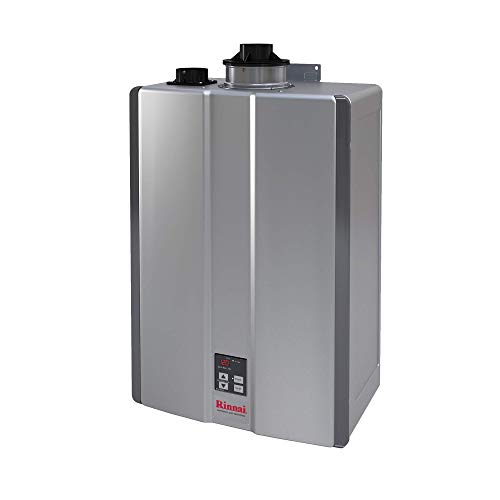
In conclusion, the Rinnai RU160iN Tankless Water Heater is best viewed as a long-term infrastructure upgrade rather than a simple appliance replacement. It is designed for homeowners who value consistent performance, energy efficiency, and space optimization—and who expect their hot water system to support modern, multi-fixture households without interruption.
Its ability to deliver continuous hot water, combined with a high flow rate and strong energy efficiency, makes it especially well-suited for medium to large homes with multiple bathrooms or frequent simultaneous hot water use. The compact, tankless design further adds to its appeal by freeing up space and modernizing utility areas, while Rinnai’s reputation and warranty coverage reinforce confidence in long-term reliability.
That said, the RU160iN is not a one-size-fits-all solution. The higher upfront cost, reliance on electrical power, and need for proper installation and periodic maintenance mean it is best suited for homeowners who plan to stay in their home long-term and are willing to invest in a correctly installed, professionally supported system.
For those users, the RU160iN stands out as a dependable, efficient, and future-ready tankless water heater—one that delivers real-world performance benefits day after day, rather than short-term convenience. If your priority is endless hot water, stable output, and reduced energy waste over the long run, the Rinnai RU160iN is a strong and well-justified choice within its category.