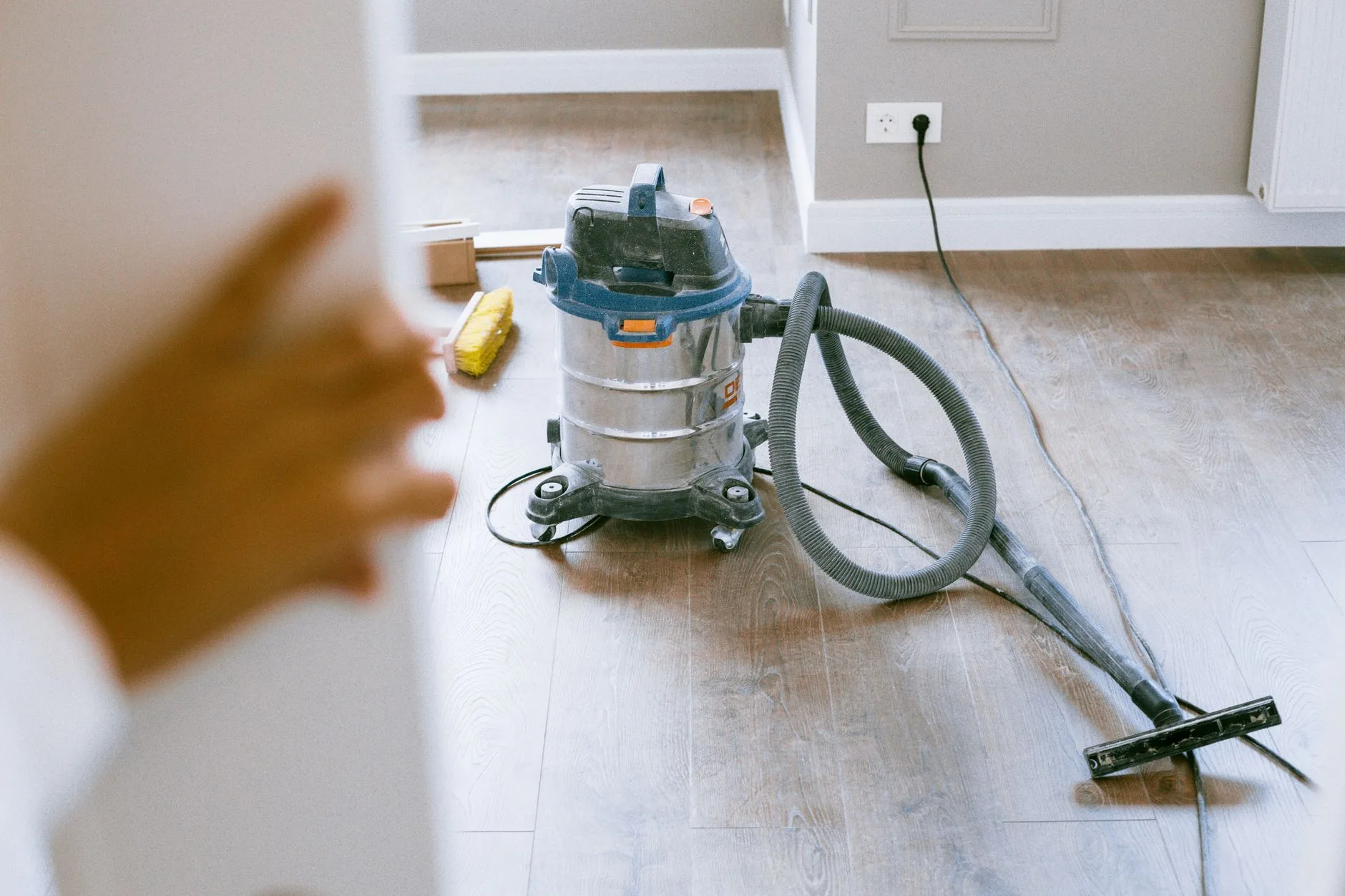
Shop vacuums for dust collection are one of those workshop purchases that seem simple until you start comparing hoses, separators, filters, and machine compatibility. The wrong setup can leave fine dust in the air, clog filters too quickly, or make a small shop feel frustratingly cluttered. Buyers usually start looking for a better system after they have already dealt with too much cleanup, weak suction, or hose connections that never quite fit the tools they own.
The biggest mistake is assuming any wet-dry vac setup will handle woodworking dust equally well. In practice, performance depends on more than raw suction. Hose diameter, separation efficiency, bucket or bag capacity, seal quality, and how easily the system connects to your tools all matter. Different buyers also want different things. A hobby woodworker may care most about portability and quick setup, while a more serious shop user may want better separation and fewer filter changes. The strongest option in this roundup is the Dustopper PRO, which is designed to keep dust out of the vac before it becomes a maintenance problem.
If you are short on time, the comparison table below gives a quick way to sort the main options before digging into the full reviews.
Best Shop Vacuums For Dust Collection Comparison Table
| Product | Best For | Main Strength | Key Specs |
|---|---|---|---|
| Dustopper PRO | Overall dust separation with a shop vac | Low-profile cyclonic separation | Fits standard 5-gallon pails, includes sweep elbows |
| Cen-Tec Systems 94709 Quick Click Hose | Tool-to-vac flexibility | Wide adapter support | 16-foot hose, multi-brand fittings |
| WEN DC1300 Dust Collector | Dedicated woodworking dust collection | High airflow and bag capacity | 1,300 CFM, 50-gallon bag, dual inlets |
| 10-Foot Dust Collection Hose Kit With 8 Attachments | Mixed-tool compatibility | Stretch-fit silicone fittings | 10-foot hose, 8 attachments |
| Magnetic Dust Collector System | 4-inch machine swaps | Fast machine changes | Magnetic port connector, 4-inch couplers |
| Cen-Tec Systems 94698 Quick Click Hose | Shorter hose setups | Compact and adaptable | 10-foot hose, multi-brand fittings |
| 10-Foot Hose Kit With 5 Threaded Fittings | Budget-friendly tool hookup | Simple, flexible fit | 10-foot hose, 5 fittings |
| Heavy PVC Dust Collection Hose | Longer fixed-shop runs | Clear, puncture-resistant hose | 2 1/2-inch x 20-foot hose, steel wire coil |
| CRAFTSMAN CMXZVBE38767 Dust Collection Bags | Cleaner vac maintenance | Easy debris disposal | 3-pack, fits 5 to 8 gallon vacs |
For a more detailed look, the reviews below explain where each option fits best and where the tradeoffs begin.
Best Shop Vacuums For Dust Collection Reviews
1. Best Overall: Dustopper PRO

The Dustopper PRO makes a strong case for being the center of a small-shop dust collection setup because it tackles the most annoying part of using a wet-dry vac for woodworking, which is filtration maintenance. Instead of asking the vacuum itself to catch every bit of dust, this separator captures debris before it reaches the filter or bag. That matters more than many buyers realize. Once a shop vac filter starts loading up with fine sawdust, suction drops and the whole system becomes less pleasant to use. A well-designed separator can keep the vac working more consistently and reduce how often you need to clean or replace consumables.
What gives this model an edge is its low-profile design and the included accessories. The setup is built to sit neatly on a standard 5-gallon pail, which keeps the footprint compact enough for garages and smaller workshops. The preinstalled gasket is another practical detail, because a good seal matters when you are trying to separate dust efficiently. The included high-flow sweep elbows also suggest that the design is focused on airflow, not just convenience. For buyers who want a cleaner, more efficient shop vac setup without moving to a full dust collector, this is one of the more thoughtful options in the category.
Pros
- Excellent for keeping fine dust out of the vacuum filter and bag
- Low-profile layout works well in tight workshop spaces
- Preinstalled gasket reduces setup hassle and helps maintain a seal
- Included sweep elbows support smoother airflow and less turbulence
- Fits standard 5-gallon pails, which keeps the system simple and affordable to configure
- Made in the USA, which will matter to some buyers
Cons
- Still depends on a compatible wet-dry vac with enough power
- Not a full dust collector, so it is not the right choice for large permanent ducted systems
- Requires an external pail, which adds another component to manage
This is the best choice for buyers who want a more disciplined shop vac setup and care about separation efficiency as much as suction. It is especially appealing for woodworkers who use sanding tools, miters, and smaller stations where a vac-based system is still the most practical option. If your top priority is portability and reducing filter mess, this is the one most people should look at first. To buy this product, click here.
2. Best For Tool Compatibility: Cen-Tec Systems 94709 Quick Click 16 Ft. Hose

For buyers who are trying to connect a shop vac to a wide range of power tools, the Cen-Tec Systems 94709 stands out for how much compatibility it builds into one hose. This is not just a hose extension. It is a linkage between the vacuum and the tools, and that distinction matters. Many frustrated buyers discover that the real bottleneck in dust collection is not the vacuum itself but the adapter situation. Tools from different brands often use different port sizes and shapes, and this hose package is clearly designed to reduce that headache.
The 16-foot length is a practical advantage for larger garages or shared workspaces where the vacuum needs to stay out of the way. The smooth interior and swivel air relief feature are useful details because they help the hose remain more manageable in real use. It is also worth noting that Cen-Tec has built this around both handheld and stationary tools, so it suits users who bounce between sanders, saws, and workstations. If your workshop involves a frustrating mix of brands and port sizes, this hose is a very sensible investment.
Pros
- Broad adapter set helps solve fit issues across many tool brands
- 16-foot length gives good reach for mobile workspaces
- Flexible hose helps reduce kinks and movement restrictions
- Swivel air relief can help tune suction when needed
- Works well for both handheld and stationary dust collection setups
- Useful for buyers building a general-purpose dust collection kit
Cons
- Longer hose can be less convenient in very small shops
- More fittings mean more parts to keep track of
- Not ideal if you need a dedicated high-volume ducted system
This is a strong choice for woodworkers and DIY users who value flexibility more than simplicity. It makes the most sense if your shop vac is already doing duty on multiple tools and you want one hose that can adapt instead of several piecemeal solutions. Buyers who hate return trips for missing adapters will appreciate how complete it feels. To buy this product, click here.
3. Best High-Capacity Option: WEN DC1300 1,300 CFM Dust Collector

The WEN DC1300 belongs in a different conversation from the smaller hose-and-separator accessories. This is a dedicated woodworking dust collector, and the appeal is obvious if your shop is large enough to justify it. The headline number is the airflow, but the more meaningful benefit is how that airflow supports broader dust capture at the machine level. If you are running stationary woodworking tools and want a system that handles more than the occasional cleanup pass, a dedicated collector is usually a better answer than a standard shop vac.
Its 50-gallon collection bag and mobile base make it especially practical for a home workshop that is trying to do more serious work without committing to a built-in duct network. The dual 4-inch inlets also allow for more flexibility than a single-tool collector, which is useful if your shop layout changes over time. That said, this is not a plug-and-play accessory for casual users. It takes more floor space, more planning, and a higher upfront commitment. For serious hobbyists and semi-professional woodworkers, though, those tradeoffs are exactly what buy better dust management.
Pros
- High airflow makes it better suited to a real woodworking shop than a basic vac setup
- Large collection bag reduces how often you need to empty it
- Dual inlets can support more than one machine in some layouts
- Mobile base improves repositioning in a busy workshop
- More appropriate for stationary machines than compact shop vac solutions
Cons
- Takes up considerably more space than a shop vac-based setup
- More expensive than hose kits and separators
- May be more machine than casual DIY users need
Buy this if you are outgrowing portable dust collection and want a more serious machine for a dedicated shop. It is the right direction for users with table saws, jointers, planers, and a workflow that produces real volume. If you only need quick cleanup or intermittent sanding dust control, it is probably more collector than you need. To buy this product, click here.
4. Best Budget-Friendly Hose Kit: 10-Foot Dust Collection Power Tool Hose Kit With 8 Attachments

This hose kit is aimed at buyers who need versatility without committing to a large, specialized system. The most interesting feature is the stretchable silicone fitting approach, which should reduce the common annoyance of hunting for the exact adapter that finally makes a tool connection work. That kind of convenience sounds minor until you are midway through a project and trying to clean up sanding dust without improvising a fix. Here, the kit is built to be adaptable across a range of tools and vacuum setups, which makes it attractive for mixed-use workshops.
The 10-foot length is a sensible middle ground. It is long enough to provide reach around a bench or machine station, but not so long that it becomes unwieldy in a small garage. The product also emphasizes puncture-resistant construction, which is reassuring for a hose that is likely to be dragged, bent, and repositioned often. The main caution is that compatibility still matters a great deal. Even with multiple fittings, buyers should verify port dimensions carefully before ordering. If you are a practical DIYer who wants one kit to cover several tools, this is a good value-oriented option.
Pros
- Stretch-fit silicone fittings make attachment easier on many tools
- Eight fittings give it strong versatility for a wide range of setups
- 10-foot hose length is manageable for home workshops
- Designed to withstand regular use in a woodworking environment
- Good value for buyers who need flexibility more than premium materials
Cons
- Compatibility checks are still essential before buying
- Not as polished as a higher-end hose and adapter system
- May not be the best option for heavy, permanent use
This is a smart pick for hobbyists and budget-conscious buyers who want to improve dust pickup across several tools without overcomplicating the setup. It is especially useful if your workshop leans toward light-to-moderate woodworking rather than all-day professional use. To buy this product, click here.
5. Best For Quick Machine Swaps: Magnetic Dust Collector System For 4-Inch Shop Vacuums Dust Hose

Shop owners who move a hose from one machine to another will immediately understand the appeal of this magnetic dust collection system. In small woodworking shops, setup friction can be the real enemy. If a hose takes too long to connect, some users simply stop attaching it. That leads to more mess and less consistent dust control. The point of this system is to make switching between machines faster, and that makes it more appealing than it might appear at first glance.
It is built around standard 4-inch dust collection hose use, so it is aimed at a more machine-centered shop than the smaller bench-tool crowd. If you run a jointer, planer, table saw, or drum sander and need a way to swap a single hose between them, this starter kit can make the workflow cleaner and more efficient. It is not the answer for every shop. But for users who are tired of hose clamps and repetitive setup steps, the magnetic approach could save enough time to be genuinely useful.
Pros
- Fast switching between machines is the main selling point
- Designed for 4-inch dust collection hose setups
- Useful for shops with multiple stationary woodworking machines
- Reduces the hassle of hose clamp changes
- Can help keep a compact shop neater and more organized
Cons
- Only makes sense if your setup already uses 4-inch ports
- Not a general-purpose solution for handheld tools
- More of a workflow accessory than a suction upgrade
Choose this if your biggest frustration is not vacuum performance but time lost during machine changes. It is best for woodworkers with a small stable of stationary tools and a preference for quick reconfiguration. Buyers who mostly work with handheld power tools should look elsewhere. To buy this product, click here.
6. Best For Shorter Setups: Cen-Tec Systems 94698 Quick Click 10 Ft. Hose
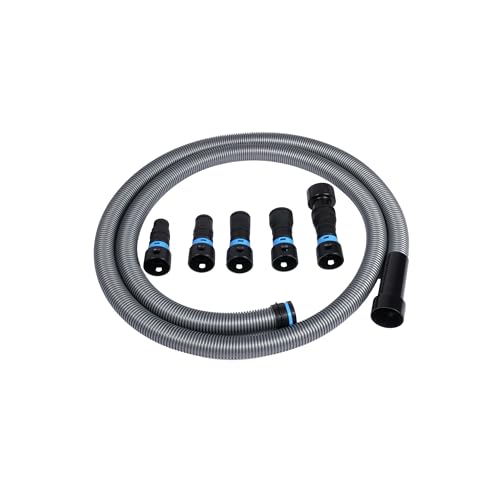
The shorter Cen-Tec 94698 makes sense for buyers who like the compatibility of the 16-foot version but do not need quite as much reach. In a smaller workshop, a shorter hose is often easier to manage. It is less likely to tangle, drag across awkward corners, or get in the way when you are maneuvering a tool. That can make day-to-day dust collection feel less like a chore. The same broad adapter support is still here, which gives this model a strong practical advantage over more generic hoses.
This is also a good option for users who prioritize cleaner suction pathways and less excess hose length. A compact setup can feel more responsive when working at a bench or around a single station. The tradeoff, naturally, is reach. If you want to move around a larger room or keep the vacuum in another area, the 10-foot hose may feel limiting. But for a workbench, miter station, or a single primary machine, it is an efficient, manageable choice that does the basics well.
Pros
- More compact than a 16-foot hose, which helps in small spaces
- Still offers broad multi-brand tool compatibility
- Good option for bench-based or single-station use
- Flexible hose helps reduce frustration during setup and movement
- Useful for buyers who want adapter support without excess length
Cons
- Shorter reach may not work for bigger garages or shops
- Not ideal if you frequently move between distant work areas
- Still requires attention to port and adapter fit
This is a practical pick for smaller shops and users who value tidy handling over maximum reach. It is easier to live with than a longer hose when your vacuum stays near the work surface. If you are building a compact dust collection setup around a bench tool, this may be the better fit than the larger 16-foot version. To buy this product, click here.
7. Best Simple Value: 10-Foot Dust Collection Power Tool Hose Kit With 5 Threaded Fittings

Some buyers do not want an elaborate adapter ecosystem. They want a hose that connects, performs, and does not create extra clutter. That is the appeal of this 10-foot kit with five threaded fittings. It is straightforward and compact, which makes it attractive for users who need decent flexibility but do not want to overbuy. In a lot of small woodworking setups, that is exactly the right instinct. The best dust collection accessory is often the one you are willing to actually use.
The anti-kink design is a sensible feature because hose frustration usually comes down to suction loss or awkward movement. If a hose constantly collapses or binds, it gets ignored. This kit is aimed at common home-shop use with tools like orbital sanders and biscuit joiners, where portability matters and the dust source is not always stationary. The main limitation is that it is still a universal-style solution, so exact fit should be checked carefully. For buyers who want a no-drama entry point into better dust capture, this is one of the cleaner value options.
Pros
- Simple setup with a useful 10-foot hose length
- Five fittings cover common tool types without too much bulk
- Anti-kink design helps preserve airflow and usability
- Good for smaller DIY and woodworking projects
- Typically easier to live with than more complex multi-adapter systems
Cons
- Five fittings may not be enough for more varied tool collections
- Compatibility still depends on matching dimensions correctly
- Not intended for high-volume stationary dust collection
This is best for buyers who want to keep things uncomplicated and affordable. It is especially appealing if you use a few common tools rather than a large, mixed-brand collection. If you need broadest-in-class flexibility, other Cen-Tec options are more complete. If you just need a practical hose kit, this is a strong middle ground. To buy this product, click here.
8. Best For Fixed-Shop Ducting: Heavy PVC Dust Collection Hose 2 1/2-Inch x 20-Foot

This heavy PVC hose is aimed at buyers who need a longer, more permanent dust collection run than the usual short shop vac hose can provide. The clear PVC material is a useful touch because it lets you see buildup, which can help identify clogging before it becomes a bigger issue. That kind of visibility matters in a woodworking environment where debris changes from fine sanding dust to heavier chips depending on the task. A hose you can inspect at a glance is often easier to maintain.
The thicker PVC construction and carbon steel wire coil suggest a more workshop-oriented design, especially for users who want puncture resistance and a hose that keeps its shape better than a light-duty flexible line. It is also useful that the product calls out electrostatic discharge when grounded properly, since static is always part of the conversation in dust collection. This is not the most portable option in the roundup, but that is not really the point. It is for shops that want a durable, longer hose segment in a more fixed layout.
Pros
- Long 20-foot length is useful for fixed workshop layouts
- Clear hose helps you monitor dust buildup and airflow issues
- Puncture-resistant build should hold up well in shop environments
- Steel wire coil adds structure and helps reduce kinking
- Good choice for users who want a more permanent dust collection run
Cons
- Less portable than shorter hose options
- May be more hose than casual users need
- Requires proper sizing and installation care
Buy this if your shop setup is moving toward dedicated dust collection paths rather than occasional vacuum attachments. It makes the most sense for users who care about durability, visibility, and a longer run length. For compact garages and portable work, it may be overkill. To buy this product, click here.
9. Best Cleanup Helper: CRAFTSMAN CMXZVBE38767 General Purpose Wet Dry Vac Dust Collection Bags
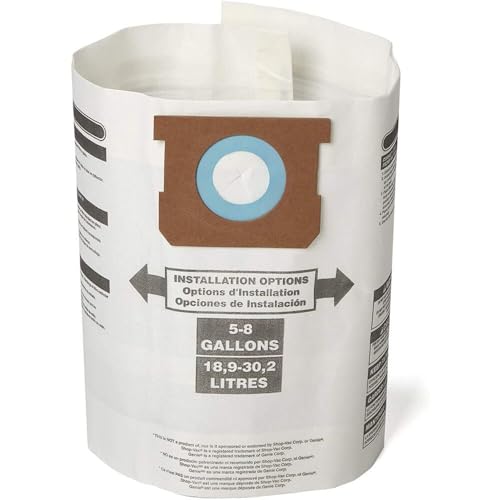
Dust collection is not only about the hose or separator. It is also about what happens inside the vac after the debris gets there. These CRAFTSMAN dust collection bags are designed for buyers who want a cleaner and easier disposal process, especially in 5 to 8 gallon shop vacs. That can be a quiet but meaningful upgrade. Instead of dumping a dirty tank and dealing with dust clouds, you get a more contained cleanup routine. For many users, that alone is reason enough to use bags regularly.
They are a sensible fit for dry debris collection and especially helpful when the vacuum sees a steady mix of everyday dust and small debris. Used alongside a cartridge filter, they can help keep the vacuum running more smoothly and reduce mess during disposal. They are not glamorous, and they are not the star of a workshop setup, but they solve a real problem. Buyers who want the least complicated improvement to a basic wet-dry vac should consider them seriously. They are also the most affordable item in this roundup, which makes them an easy add-on purchase for current shop vac owners.
Pros
- Makes cleanup and debris disposal easier
- Helps keep dust from blowing back into the tank
- Fits many common 5 to 8 gallon vacuums
- Works well as part of a filter-protection strategy
- Low-cost upgrade for existing shop vac users
Cons
- Only for dry debris, not wet pickup
- Not a dust collection system by itself
- Best value depends on how often you empty your vac
If your current setup already works but the cleanup routine is messy, this is an easy, practical add-on. It is best for users who want to protect filters and simplify disposal without changing the whole system. If you need major suction or separation improvements, the separator and hose options above are more important. To buy this product, click here.
How We Chose
The products in this roundup were selected to reflect the way real buyers build dust collection systems around shop vacs and woodworking machines. Rather than focusing on a single type of product, the list includes separators, hoses, machine adapters, longer PVC hose runs, a dedicated dust collector, and cleanup bags. That mix matters because dust collection is rarely solved by one purchase alone. Most shoppers are trying to improve an existing setup, not start from scratch, so compatibility, ease of use, and practical airflow behavior weighed heavily in the selection process.
We also looked for products that solve different workshop problems. Some buyers need better separation to protect filters. Others need a hose that fits multiple brands of tools. Some want a true dust collector for a stationary machine setup, while others simply want a cleaner disposal process. Preference was given to products with clear feature sets, realistic use cases, and enough information to make a sound buying decision. Where the products overlap, the recommendation is based on how well each one serves a distinct type of user.
Buying Guide
Shopping for the best shop vacuums for dust collection usually starts with one question, but it should really start with three. First, what kind of dust are you trying to capture. Fine sanding dust, planer shavings, and general debris all place different demands on the system. Second, how stationary is your shop. A portable garage setup has different needs from a dedicated woodworking corner. Third, how much setup friction are you willing to tolerate. Some users are happy to tinker with fittings and hoses, while others want a simple system that works every time without much adjustment.
Separation comes first. If your vacuum filter is constantly loading up, a separator like the Dustopper PRO can be more valuable than buying a stronger vac. It keeps the worst of the debris out of the machine and can save you time on maintenance. For smaller shops, that is often the best place to invest because it improves the performance of the vacuum you already own. A separator does not replace a full collector, but it can make a shop vac feel far more capable.
Hose design matters more than most buyers think. Length is important, but so is flexibility, interior smoothness, and whether the hose kinks under movement. A hose that is too stiff or too generic can erase the benefits of good suction. Multi-brand adapter sets are helpful if you use tools from several manufacturers. For those who stay within one ecosystem, fewer but better-matched fittings may be enough. There is no point buying a complicated adapter kit if your tools share the same port style and you only need one or two connections.
Match the setup to the machine. Handheld sanders and small saws often work fine with a shop vac, especially when connected with a good hose and separator. Stationary woodworking machines such as jointers, table saws, and planers usually call for a larger collector or at least a more purpose-built 4-inch hose arrangement. That is why the WEN DC1300 appears in this roundup. It is not for everyone, but it is a more realistic solution if you are already working at that scale.
Think about the shop you actually have. A small garage with one bench, a miter saw, and a sander may be better served by a compact separator and a versatile hose kit. A larger basement shop can justify a bigger collector or longer PVC hose. The best choice is rarely the one with the biggest airflow number. It is the one that fits your workflow, your tools, and the amount of cleanup you are willing to do after each session.
Don’t ignore maintenance. Dust collection works best when the system is easy to empty, clean, and reconnect. Bags, filters, and seals are not glamorous, but they determine whether a setup feels worthwhile after the novelty wears off. If a product saves time on maintenance, that is real value. If it requires constant fitting adjustments or starts leaking dust around the edges, the performance advantage disappears quickly. The right setup should make the workshop easier to use, not merely more complicated.
Frequently Asked Questions
What Is The Best Type Of Shop Vacuum Setup For Dust Collection?
For many woodworkers, the best setup combines a shop vac with a separator and a well-matched hose. That gives you strong portability, better filter protection, and easier cleanup. If you work with stationary tools that create a lot more dust, a dedicated collector may be the better long-term solution.
Do I Need A Dust Separator With A Shop Vac?
You do not absolutely need one, but it usually makes a big difference if you are collecting fine dust regularly. A separator reduces what reaches the vacuum filter, which can help preserve suction and make maintenance easier. For woodworking, that benefit is often worth the added component.
Why Does Hose Size Matter So Much?
Hose size affects airflow, clog resistance, and how well the system handles different debris. Smaller hoses are often easier to maneuver and work well for sanding dust. Larger hoses are better for heavier debris and stationary machines. The right choice depends on your tools and the type of dust you generate.
Can A Shop Vac Replace A Full Dust Collector?
Sometimes, but not always. A shop vac can work very well for handheld tools, small stations, and cleanup tasks. It is usually not enough for a larger woodworking shop with multiple stationary machines. That is where a dedicated dust collector becomes more appropriate.
What Should I Look For In A Dust Collection Hose?
Look for flexibility, compatibility with your tools, and a design that resists kinking or clogging. Smooth interiors help airflow, and a good adapter set can save a lot of frustration. If your tools come from different brands, multi-fit systems are especially useful.
Are Dust Collection Bags Worth Using In A Shop Vac?
Yes, especially if you want cleaner disposal and less dust swirling back into the tank. Bags are a simple way to make cleanup easier and protect the filter. They are most useful for dry debris and should be matched to the vacuum size listed by the manufacturer.
Should I Buy A Bigger Vacuum Or Better Accessories First?
In many cases, better accessories provide more immediate value. A good separator, hose, or adapter set can improve the performance of the vacuum you already have. If your current vacuum is underpowered for the type of work you do, then upgrading the machine itself starts to make more sense.
Final Verdict
For most buyers, the Dustopper PRO is the best place to start because it improves one of the weakest points in a shop vac-based dust collection system, which is keeping fine dust out of the vacuum itself. It is compact, practical, and clearly designed with real workshop use in mind. If your main frustration is dirty filters, poor separation, or too much cleanup after sanding and cutting, this is the most balanced recommendation in the roundup.
The rest of the list covers the most common follow-up needs. The Cen-Tec hose kits are the most useful if compatibility is your biggest issue, while the WEN DC1300 is the better fit for a shop that has outgrown portable solutions. Budget-minded buyers can do well with the simpler hose kits or the CRAFTSMAN dust bags, depending on whether they need better tool hookup or easier cleanup. The right purchase depends on how you work, how much dust you generate, and whether you need portability, reach, or a more permanent system. The best shop vacuums for dust collection are the ones that fit your tools and make cleanup feel less like a second job.
Leave a Reply