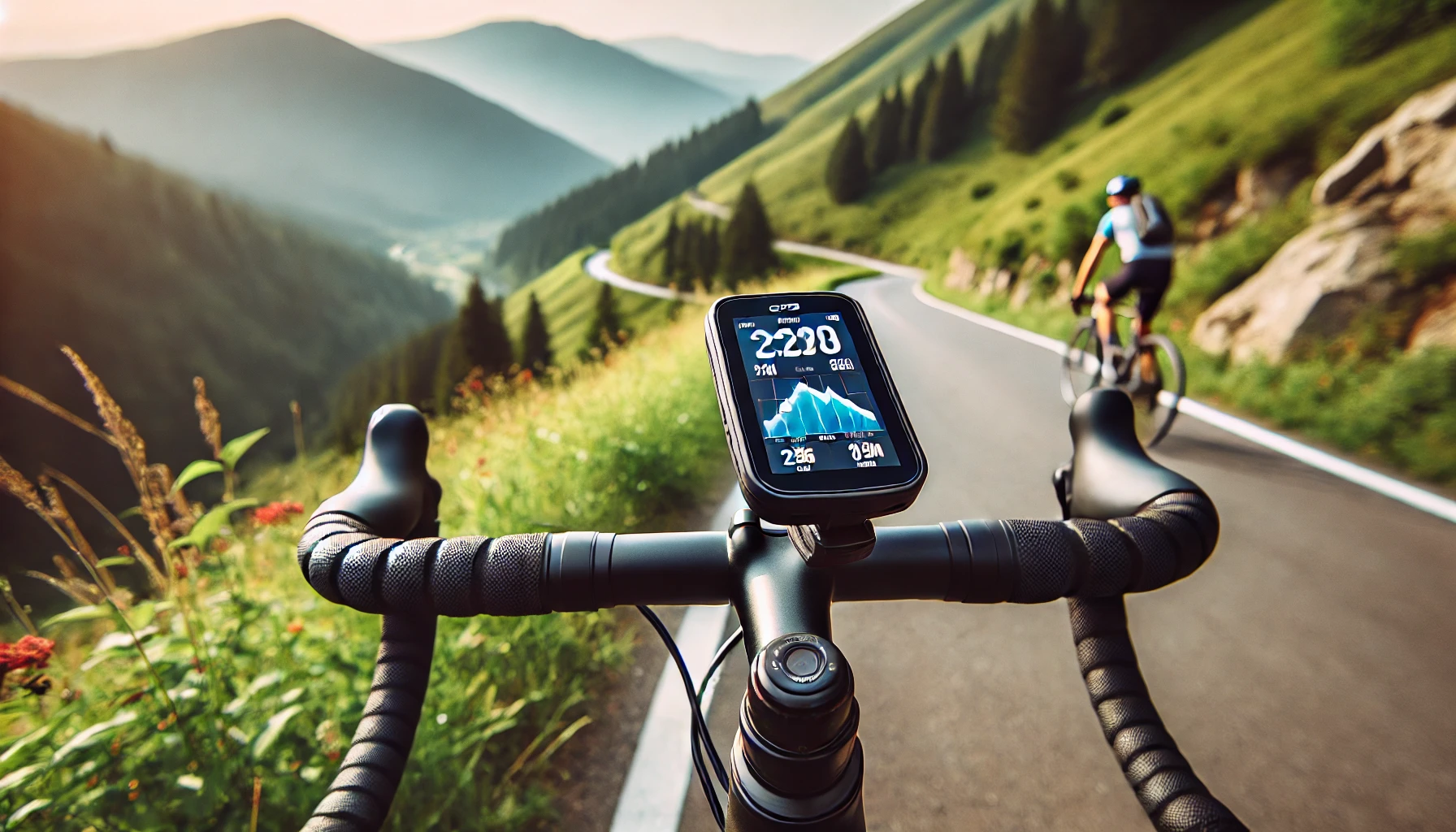
The Garmin Edge 1040 is a premium GPS bike computer designed for cyclists who demand precision, performance tracking, and seamless navigation. Equipped with multi-band GNSS technology, it delivers highly accurate positioning even in the most challenging environments. Whether riding through dense forests, urban canyons, or remote trails, cyclists can trust its superior navigation and route planning features. Its intuitive interface and simplified setup allow for quick access to essential tools, including course details, customizable data fields, and real-time updates from a paired smartphone.
Beyond navigation, the Garmin Edge 1040 enhances performance tracking with advanced cycling metrics. When paired with compatible sensors, it can analyze cycling strengths and compare them to course demands, allowing riders to optimize their training. The Power Guide feature provides targeted power recommendations throughout a ride, ensuring efficiency and sustainability. Meanwhile, the Stamina insights function helps cyclists gauge their remaining energy levels, preventing premature fatigue and enabling smarter pacing strategies.
Designed for serious training, this bike computer also includes structured workout reminders, ensuring that missed sessions don’t derail progress. Whether used by endurance riders, racers, or casual cyclists looking to improve, the Garmin Edge 1040 provides an unmatched combination of navigation, performance analysis, and real-time insights, making it an essential tool for any cycling enthusiast.
Pros of Garmin Edge 1040
1. Large, High-Resolution Display
The Garmin Edge 1040 features a large 3.5-inch high-resolution touchscreen that represents a noticeable upgrade over earlier models such as the Edge 1030. The increased screen real estate makes it significantly easier to read data at a glance, whether you’re monitoring power output, heart rate, navigation cues, or upcoming climbs. For long rides and fast-paced group sessions, this improved readability reduces the need to slow down or refocus repeatedly.
In real-world use, the display’s brightness and contrast perform exceptionally well across different lighting conditions. Even under direct sunlight, data fields remain sharp and legible, which is critical for outdoor cycling. The ability to fully customize data screens also allows riders to prioritize exactly what they want to see, making the display both powerful and highly practical rather than visually overwhelming.
2. Exceptional Battery Life
Battery life is one of the Edge 1040’s strongest advantages. In standard mode, it can last up to 35 hours, and with battery saver mode enabled, runtime can extend to an impressive 70 hours. This makes it particularly well-suited for ultra-distance rides, multi-day bikepacking trips, or long training blocks where frequent charging is inconvenient or impractical.
Many users report that even with frequent rides and multiple sensors connected, the device holds its charge remarkably well over time. Compared to some competing cycling computers, battery drain remains stable and predictable, which adds confidence when planning long routes or endurance events. For riders who value reliability over constant power management, this long battery life is a major quality-of-life upgrade.
3. Advanced GPS and Navigation Features
The Edge 1040 uses multi-band GNSS technology, which significantly improves positioning accuracy in challenging environments such as dense forests, urban areas with tall buildings, and mountainous terrain. This results in cleaner GPS tracks and more reliable navigation, especially on complex routes where standard GPS systems can struggle.
Turn-by-turn navigation is precise and responsive, with clear prompts that reduce missed turns and unnecessary stops. Features like ClimbPro add real strategic value by showing upcoming elevation profiles, gradient changes, and remaining climb distance. Combined with offline maps and real-time rerouting, the navigation system feels robust and dependable, whether you’re exploring unfamiliar roads or following a carefully planned training route.
4. Powerful Training and Performance Insights
Garmin’s strength in performance analytics is fully evident in the Edge 1040. Features like Stamina provide real-time insight into energy reserves, helping riders pace themselves more intelligently and avoid premature fatigue. This is especially valuable during long endurance rides or races where energy management plays a decisive role.
In addition, the Power Guide function delivers structured power recommendations throughout a ride, aligning effort with training goals or route demands. Advanced metrics such as VO2 max, FTP, recovery time, and training load offer deep insight into performance trends over time. Post-ride analysis is equally detailed, allowing riders to review intensity, endurance patterns, and effort distribution with a level of depth that appeals to serious cyclists and data-driven athletes.
5. Seamless Integration with Other Devices and Apps
The Edge 1040 integrates smoothly with a wide ecosystem of sensors and platforms. It supports both ANT+ and Bluetooth connectivity, making it compatible with heart rate monitors, power meters, cadence sensors, speed sensors, and smart trainers without friction. Pairing is generally fast and stable, even when multiple devices are connected simultaneously.
Beyond hardware, software integration is equally strong. Automatic syncing with platforms like Strava, TrainingPeaks, and Garmin Connect ensures workouts and ride data are available almost immediately after a session. Support for Shimano Di2 shifting and Garmin Varia Radar further enhances the riding experience by bringing gear information and safety alerts directly onto the screen.
6. Rugged and Reliable Build
Built for demanding outdoor conditions, the Garmin Edge 1040 feels solid and dependable. Its water-resistant construction allows it to withstand rain, mud, and rough weather without compromising performance. This reliability is particularly important for cyclists who ride year-round or participate in events where conditions are unpredictable.
The touchscreen remains responsive even in wet conditions, addressing a common weakness found in some touch-based cycling computers. The switch to a USB-C charging port is another practical improvement, offering faster charging and better compatibility with modern cables and power banks. Overall, the build quality reflects a device designed for long-term, intensive use.
7. Smart Connectivity and Safety Features
Safety and connectivity features add another layer of value to the Edge 1040. Crash detection and incident alerts can automatically notify emergency contacts if an accident is detected, offering peace of mind for solo riders or those training in remote areas.
LiveTrack allows friends and family to follow rides in real time, which is particularly useful during long-distance events or extended training sessions. Music control is a smaller but appreciated feature, enabling riders to manage playlists without reaching for their phone. Together, these smart features enhance both safety and convenience without distracting from the core riding experience.
Cons of Garmin Edge 1040
1. Expensive Price Tag
The Garmin Edge 1040 sits firmly at the premium end of the GPS bike computer market. Its pricing reflects Garmin’s flagship positioning, extensive feature set, and long battery life, but this also makes it one of the most expensive options available. For cyclists who primarily need basic ride recording, simple navigation, or occasional training data, the cost can feel disproportionate to their actual usage.
While the Edge 1040 clearly delivers value for serious enthusiasts and endurance-focused riders, more casual cyclists may find that a mid-range model meets their needs at a significantly lower cost. In that sense, the price is less about poor value and more about a high entry threshold that limits its appeal to a narrower audience.
2. Minor Software Glitches and Lag
Although Garmin’s software ecosystem is mature and feature-rich, the Edge 1040 is not entirely immune to minor performance hiccups. Some users report slight delays in real-time data updates, such as gradient changes during climbs or heart rate fluctuations when multiple sensors are connected. These delays are usually brief but can be noticeable during high-intensity efforts where immediate feedback matters.
Occasional lag or short freezes have also been reported when the device is handling large route files or complex data screens. Additionally, while integration with platforms like Strava is reliable, syncing typically requires going through the Garmin Connect app, which may take a minute or two. These issues are generally software-related and often improved through updates, but they can momentarily interrupt an otherwise polished experience.
3. Bulkier Than Some Alternatives
The large, high-resolution display is one of the Edge 1040’s biggest strengths, but it also contributes to a bulkier overall form factor. For riders who prefer minimalist cockpit setups or prioritize a clean handlebar aesthetic, the size of the unit can feel intrusive.
Compared to more compact bike computers, the Edge 1040 occupies noticeably more handlebar space and adds a bit more visual weight to the front of the bike. While this is rarely an issue for endurance riders or those using aero mounts, cyclists focused on weight savings, minimalism, or smaller frames may find compact alternatives more appealing.
4. Limited Benefits of the Solar Version
The solar charging variant of the Edge 1040 offers extended battery life, but its real-world benefits are highly dependent on riding style and conditions. For riders who regularly participate in ultra-endurance events, bikepacking expeditions, or multi-day rides in strong sunlight, the solar assistance can meaningfully reduce charging anxiety.
However, for most everyday cyclists, the standard Edge 1040 already provides more than enough battery life. In these cases, the additional cost of the solar model may be difficult to justify, as the incremental battery gains are modest during typical training rides. As a result, the solar version tends to appeal to a very specific niche rather than the broader cycling audience.
Frequently Asked Questions (FAQ)
Is the Garmin Edge 1040 worth it for most cyclists?
The Garmin Edge 1040 is best suited for cyclists who actively use advanced training metrics, navigation, and long battery life. For endurance riders, data-driven athletes, and those riding unfamiliar routes frequently, it offers clear long-term value. Casual riders who only need basic ride recording may find it more than they need.
Is the Garmin Edge 1040 too large for road bikes?
While the Edge 1040 is larger than compact bike computers, it fits well on most modern road bikes when paired with a proper out-front mount. Riders who prioritize a minimalist cockpit or ride smaller frames may prefer a more compact alternative, but for most users, the larger screen improves usability rather than detracts from it.
Do I really need the Garmin Edge 1040 Solar version?
For most riders, no. The standard Edge 1040 already delivers excellent battery life for regular training and long rides. The Solar version is primarily beneficial for ultra-endurance events, bikepacking, or multi-day rides with limited charging access. Outside those scenarios, the added cost is difficult to justify.
How does the Edge 1040 compare to smaller models like the Edge 840?
The Edge 1040 offers a larger display, longer battery life, and a more immersive navigation experience. The Edge 840 provides many of the same core training and navigation features in a more compact and affordable form. The choice largely comes down to screen size preference, battery needs, and riding style.
Is the Garmin Edge 1040 suitable for casual riders?
The Edge 1040 can certainly be used by casual riders, but it is often more device than they need. Cyclists who ride occasionally or focus on basic metrics may achieve better value with mid-range models. The Edge 1040 truly shines when its advanced analytics and navigation features are fully utilized.
Final Verdict
The Garmin Edge 1040 stands out as a true flagship GPS bike computer, designed for riders who demand accuracy, depth, and reliability rather than simplicity. Its strengths lie in long battery life, highly accurate multi-band GPS navigation, and an extensive suite of training and performance analytics that go well beyond basic ride tracking.
In practical use, the Edge 1040 excels during long rides, structured training blocks, and unfamiliar routes where navigation confidence and data clarity matter most. The large display, robust mapping, and advanced performance insights make it especially appealing to endurance cyclists, data-driven athletes, and riders who train with purpose.
That said, its premium pricing and larger form factor mean it is not the most efficient choice for every cyclist. Riders who prefer minimal setups or only need core ride recording may find better value in more compact or mid-range alternatives. Overall, for cyclists who will fully utilize its advanced features and long battery life, the Garmin Edge 1040 delivers a level of capability that justifies its flagship status.
Overall Rating: ⭐⭐⭐⭐⭐ (4.8/5)
